


What if solidarity could also help prevent obesity?
As obesity continues to affect more and more households, and the cost of living impacts families’ food choices, two international initiatives evoke the potential role of a solidarity network for access to a healthier diet. Between France and New York, two recent examples illustrate, each in their own way, the challenge of providing opportunities for better nutrition at a local level.
France: A Social Security for Food
In France in 2024, 18.1% of adults are affected by obesity, That’s nearly one in five people. But not everyone is equal when it comes to these figures: there is a link between social status, income and obesity. According to a recent study, while about 20% of blue-collar and white-collar workers are obese, only 12.6% of senior managers are affected. In addition, according to a CRÉDOC study Published in 2025 (2024 data), 16% of the French population say they restrict their diet for financial reasons, while 12% say they do not have enough to eat.. There is therefore an important link between overweight, social situation and access to a balanced diet, even if this is not the only explanation for obesity.
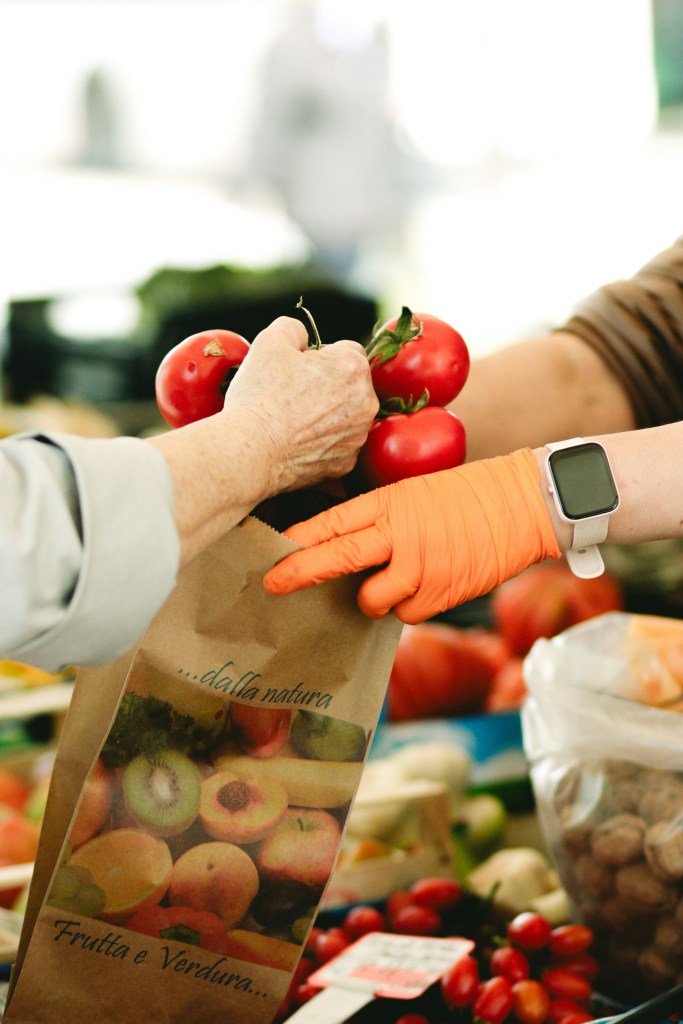
Supported by a collective of organisations (Engineers Without Borders-Agrista, Civam Network, Farmers’ Confederation, Miramap and others), the SSA aims for a food branch in the general social security system, based on the model developed in 1945 for health-related social security: universal access, an agreement across all professionals involved for democratically managed funds, financing by contributions with added value. The concept is based on three essential elements: food democracy, financing by contributions and universal access. Montpellier was the first city to try the system. After the establishment of a citizens’ committee in charge of establishing the rules, the “sécurité sociale de l’alimentation” was officially launched in January 2023. The principle is simple: the participants, drawn at random, contribute freely according to their income, between 1 and 180 euros per month, and receive 100 monas, the project’s currency, to spend in shops selected for their commitment towards sustainability criteria. According to an initial study, the results are conclusive: a reduction in food insecurity, lower stress related to the monthly shopping budget, purchases of healthier products (80% of monas are spent on organic products).
The project has also been adopted in Gironde, and in about thirty locations around the country. While the effects of the program have not yet been quantified in terms of BMI or weight measurements, which does not allow a measurement of a direct impact on obesity, the potential benefits of reducing stress and providing access to healthy and unprocessed products are an asset for the populations concerned. The SSA therefore does not replace medical care or prevention, but it acts upstream, where inequality is widening.
In New York: Lowering prices for everyone
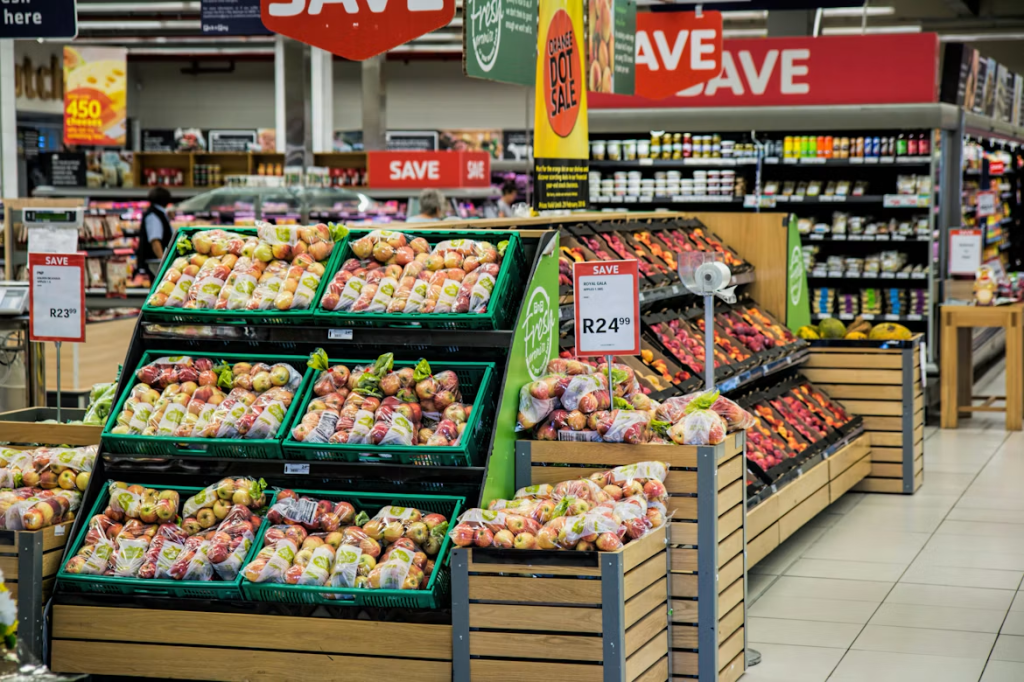
On the other side of the Atlantic, the logic is different but the goal is the same. In July 2026, the New York City Council announced that a basket of basic products would be 30% cheaper in the five planned municipal grocery stores, one per borough. It includes all fresh fruits and vegetables, meat and fish, and about twenty categories of basic products. The discount will apply to everyone, regardless of income, with prices locked in one month at a time. The city projects an average 15% drop in the grocery bill, or about $90 per month.
In a state where 28% of adults are already obese, the first grocery store will open by the end of 2027 in Hunts Point, in the Bronx, a working-class neighborhood where the number of adults affected by obesity is 37.4%.[DCB1] The stores will be managed by private operators according to public specifications (decent wages, union neutrality agreement), and the city has released 70 million dollars in investment.
Potential results
So far, none of these initiatives demonstrated an effect on the weight of the participants. The Montpellier evaluation does not measure the body mass index, and New York has not yet opened its first store. The hypothesis of an effect on obesity figures remains plausible, since these services act on recognized determinants (budget, stress, access to fresh products), but the results remain to be verified.
In addition, while diet remains an essential pillar in the fight against obesity, health advice, physical activity and medical follow-up are also necessary to provide 360° support. This website provides detailed information on nutrition and the physical and mental well-being of individuals and their families.