


Physical activity: even a little is a great start!
Incorporating movement into your daily routine is important for your physical and mental wellbeing, a topic of importance for BNP Paribas Cardif. However finding the time to stay active is not always easy…
Many studies now highlight the benefits of moderate physical activity, outside of traditional sports, as well as short movement breaks integrated throughout the day.
This article explores easy-to-apply tips, and the drawbacks of a sedentary lifestyle, which should be limited as best as possible.
A REMINDER FROM THE WHO
The WHO (World Health Organisation) highlights the importance of physical activity for good health in its 2024 report. 31% of adults and 80% of adolescents worldwide do not reach the recommended levels of physical activity. A lack of movement can affect not only weight, but also other health factors, including the risk of developing NCDs (non-communicable diseases): diabetes, cancer, cardiovascular diseases, etc. In its recommendations, WHO conveys a clear message: every movement counts. Even a small amount of physical activity is already a great start. The pyramid of suggested activities includes muscle-strengthening exercices, cardiovascular activities as well as exercises that are beneficial for balance and mobility.
CHALLENGING THE ACTIVE SEDENTARY LIFESTYLE

You exercise several times a week, perhaps even at high intensity, but your job and lifestyle still require you to spend a lot of time sitting: you lead what is known as an active sedentary lifestyle.
ONAPS (France’s National Observatory of Physical Activity and Sedentarity) is dedicated to the study of our behaviour, and highlights the risks for physical and mental health of a sedentary lifestyle, even when combined with regular sports sessions.
Their recommendation: move for 1 to 3 minutes every 30 to 60 minutes of seated sedentary time. Examples include getting up to talk to a colleague or to make a call, filling your water bottle at the fountain, or going to make a hot drink in the kitchen. You can even get creative and step outside, or improvise some shaking or jumping to add extra motion… If you want to take it further, why not consider working standing up at a dedicated station, or changing your habits in other ways. As the Professor of Cardiology François Carré says, “our chair lies to us because it does not offer true rest”. He explains the dangers of a sedentary lifestyle in an interview that also offers interesting solutions, such as organising “walking meetings” or installing a pedal board under your desk.
THE IMPORTANCE OF “NEAT” (Non-Exercise Activity Thermogenesis)
Physical activity outside of sports has a name: NEAT. This acronym refers to everything we do outside of sleep, whether it’s getting from point A to point B, shopping or cleaning, or even fidgeting or being restless. All these physical gestures allow us to avoid a sedentary lifestyle, and have an impact on our physical well-being.
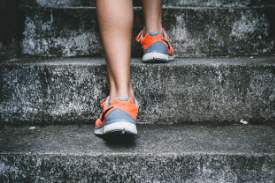
As early as 2002, studies proved that the development of this type of NEAT activity can have an impact on physical and mental well-being, as well as on weight. Some of the simplest examples of NEAT includes: choosing the staircase instead of the elevator or escalator, getting off one stop earlier from public transport and finishing your journey by walking, doing your shopping on foot and carrying it home, gardening or even cleaning your kitchen or bathroom…
ENCOURAGE “EXERCISE SNACKS”
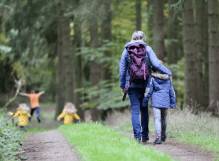
While food snacking is often cited as a trend which should be monitored, its physical version could have significant benefits for our health. Put simply, this involves scheduling micro-sessions of activity during your day. A recent study proves the results of this method on cardiovascular and metabolic health. The exercises recommended for this physical “snacking” include climbing several flights of stairs, a dozen repetitions of basic movements such as squats, lunges or jumping jacks, a few exercises with a resistance band… A ten-minute walk after a meal could even have a beneficial effect on blood sugar levels, especially for the most sedentary subjects as well as older age groups.