
The essentials of food hygieneinthe kitchen
Source: CHU Rouen-Normandie


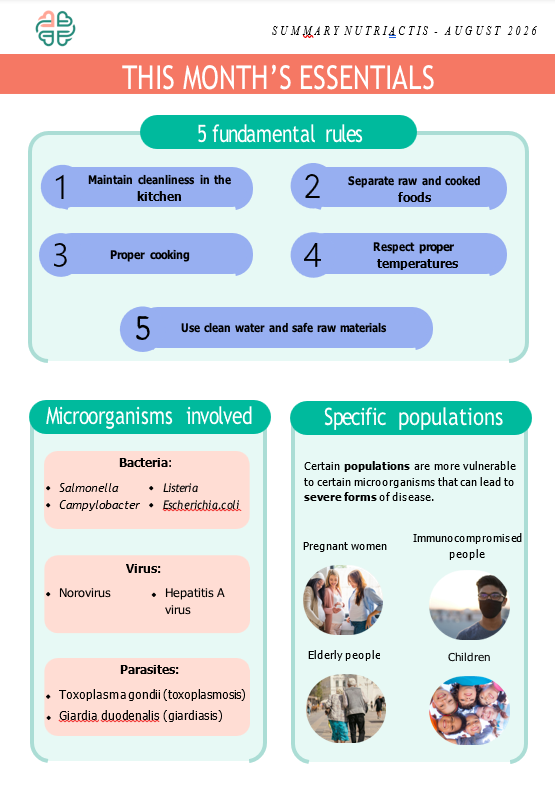
Food hygiene refers to good practices aimed at ensuring the sanitary safety of food, from production to consumption. In the kitchen, invisible microorganisms can be present at various levels: on hands, kitchen utensils, work surfaces, raw foods, water… They can then spread quickly and lead to food contamination. Good hygiene, proper storage, and appropriate handling of food are therefore essential to prevent foodborne illnesses and protect your health.
In this newsletter, we invite you to discover the key principles of food hygiene, the good daily practices to adopt, and their importance for your health.
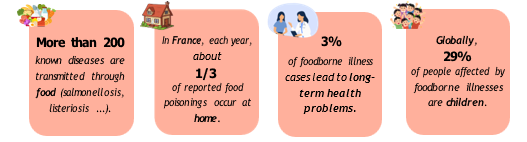
Few numbers
5 fundamental rules
To limit the contamination of microorganisms in your food, a few simple actions are essential.
Adopting these good daily habits means protecting your health and that of your loved ones !
1. Maintain cleanliness in the kitchen
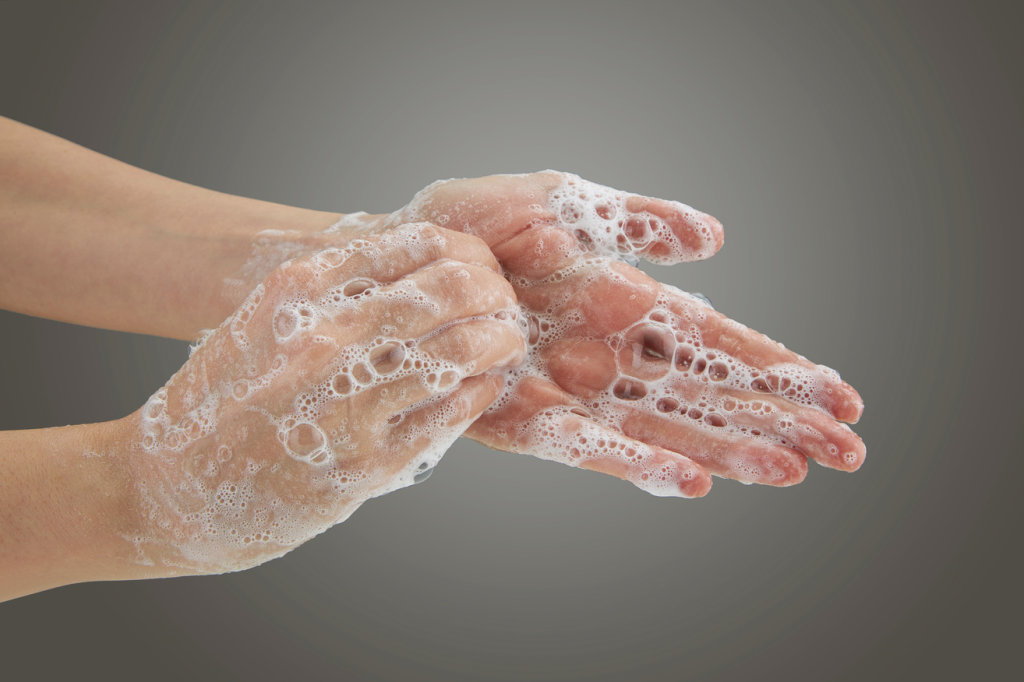
Hands are the main vector for the spread of microorganisms ⟶ wash them regularly with soap before and during food preparation (after blowing your nose, after handling raw foods…)
Cleaning utensils and work surfaces after each use/
Regular cleaning of the refrigerator with soapy water (as soon as it becomes dirty, and at least once a year for a thorough cleaning)

2. Separate raw and cooked foods
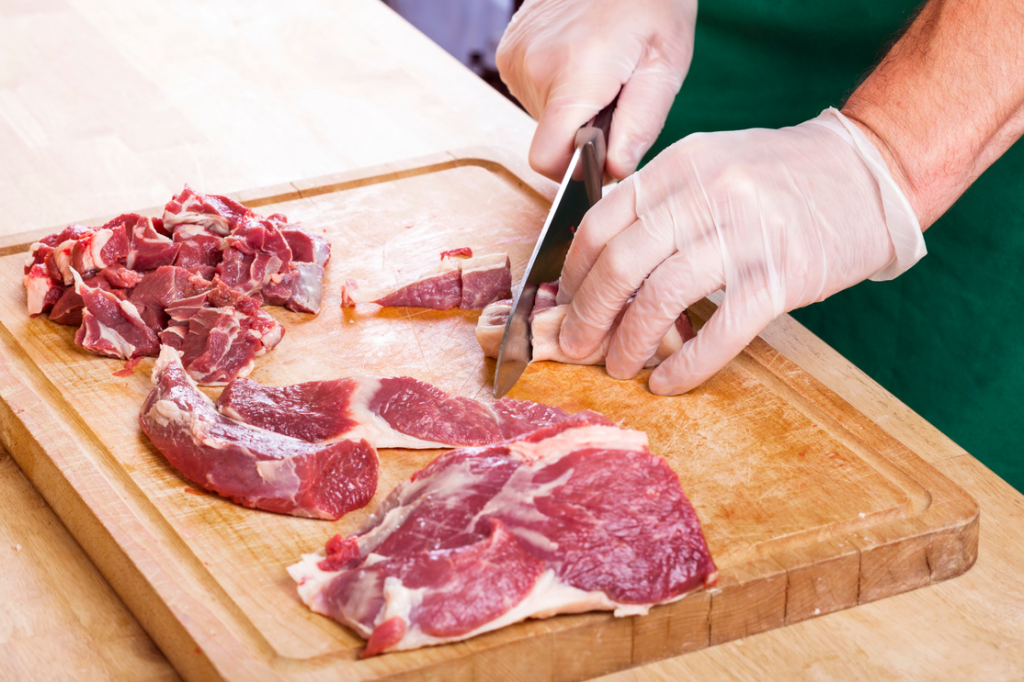
Use separate utensils (knives, cutting boards…)
Place raw foods in the lowest and coldest part of the refrigerator to prevent their juices from dripping onto ready-to-eat foods
Keep them separate
Be especially careful with certain foods such as meat, poultry, fish, and eggs, as they are particularly at risk of contamination
3. Proper cooking
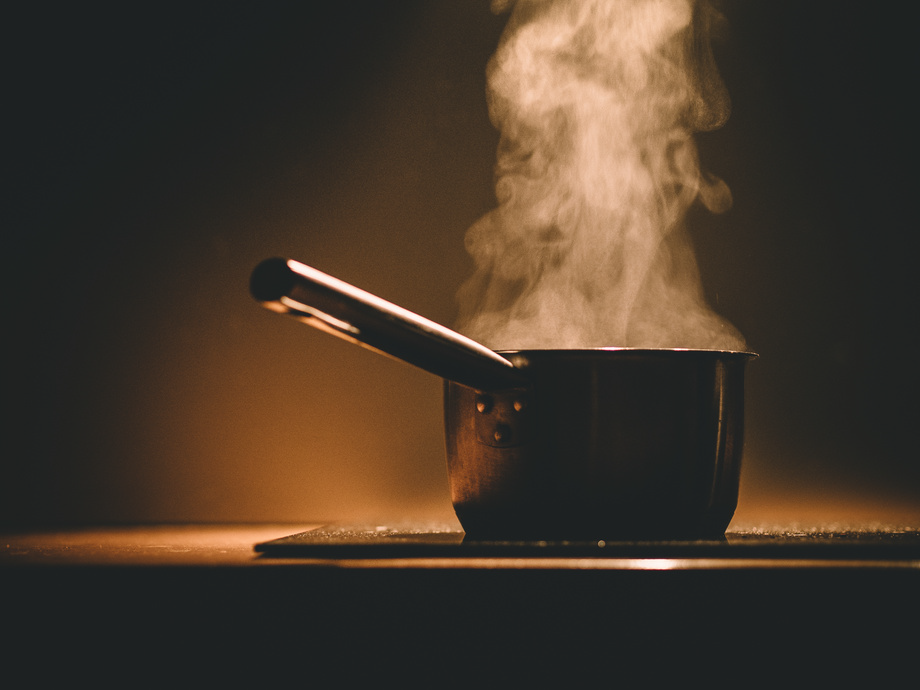
Cook high-risk foods thoroughly (minced meat, poultry, eggs, fish, etc.) ⟶ no pink flesh
Whole cuts of red meat can be eaten according to personal preference (ex: rare meat)
Bring liquid-based foods (soups, meat in sauce) to a boil for at least 1 minute
4. Respect proper temperatures
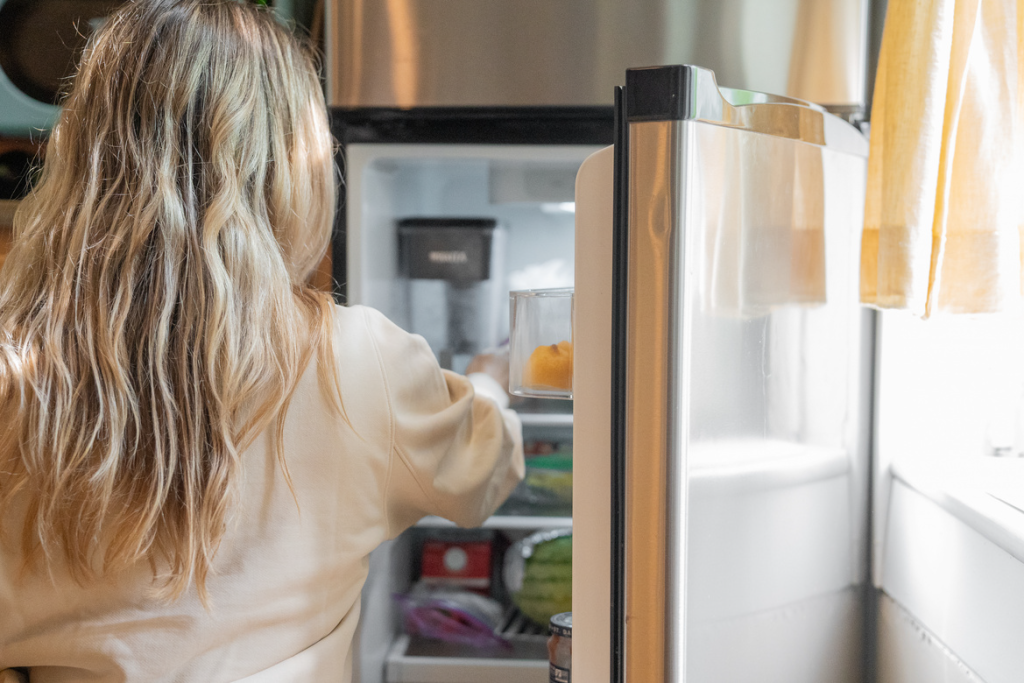
Do not leave cooked food at room temperature for more than 2 hours
Let hot dishes cool down before refrigerating them
Keep hot dishes above 60°C until serving Defrost in the refrigerator or in the microwave (defrost setting), and never at room temperature
Never refreeze food that has already been thawed
5. Use clean water and safe raw materials
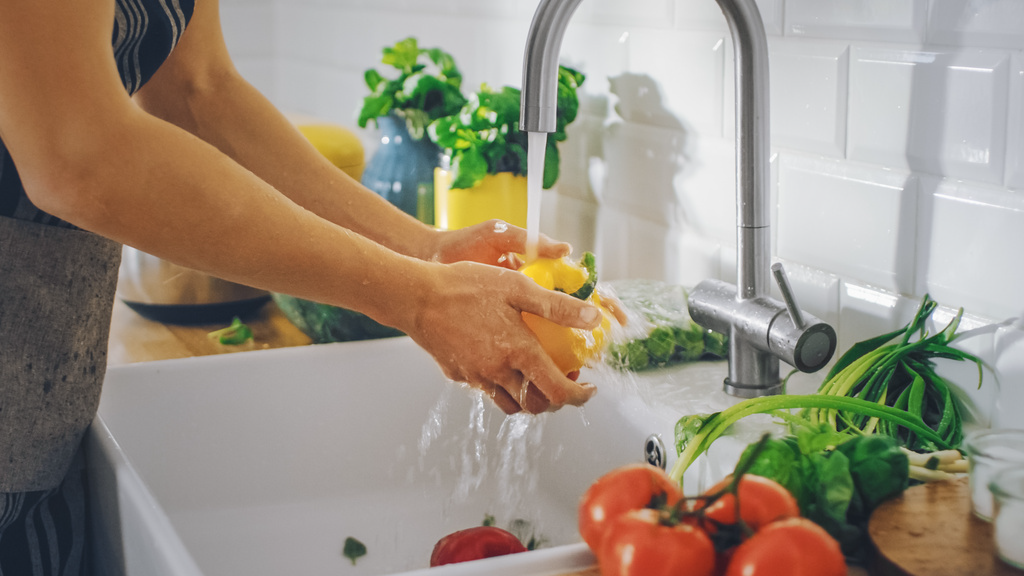
Use drinking or treated water
Choose fresh foods that are not spoiled (in terms of smell, color, or appearance) and that respect the cold chain
Rinse fruits and vegetables with drinking water before consumption !
Respect the dates indicated on packaging (best before date and use-by date, see newsletter ‘How to shop well’)
After opening the product, respect the time limit indicated on the packaging. Leftovers should not be kept in the refrigerator for more than three days and should only be reheated once !
After opening the product, respect the time limit indicated on the packaging. Leftovers should not be kept in the refrigerator for more than three days and should only be reheated once !

Some microorganisms involved
Foodborne illnesses are mainly caused by pathogenic bacteria transmitted through the consumption of contaminated food or water. Here are the main bacteria involved :
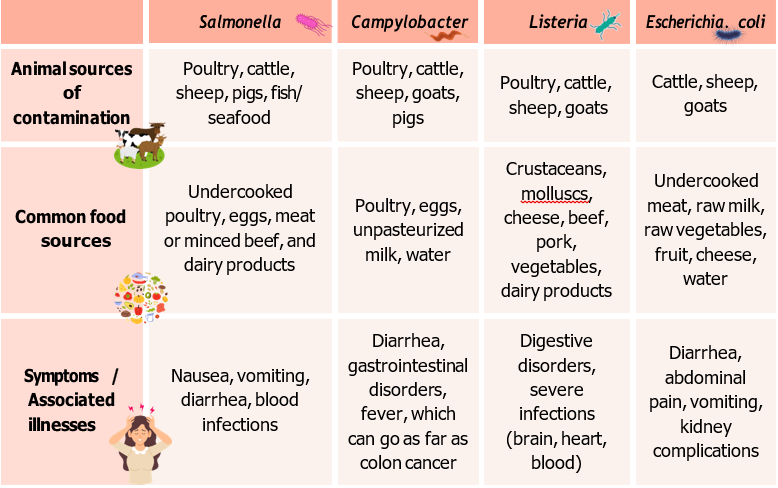
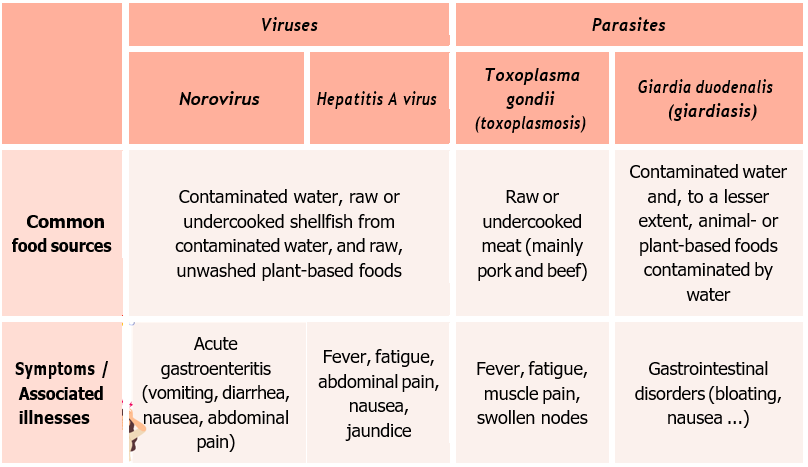
However, bacteria are not the only cause of foodborne illnesses; viruses and parasites are also involved.
Specific populations
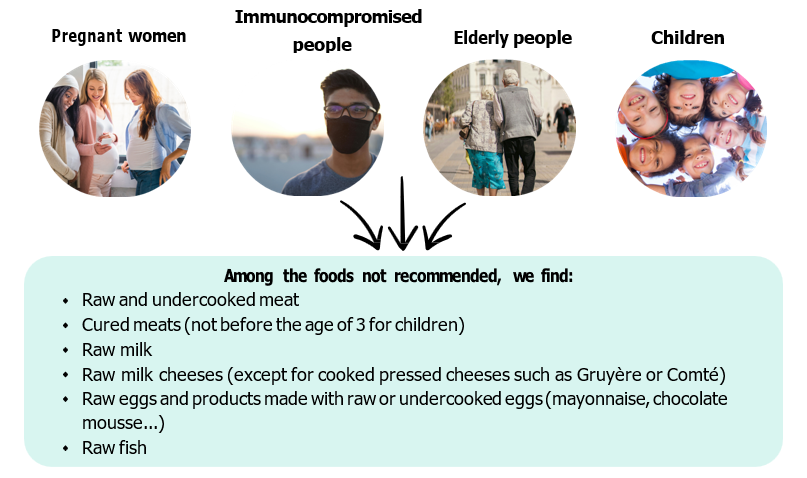
Some foods present a higher risk of contamination and are therefore not recommended for certain specific, more vulnerable populations, as microorganisms could cause more severe forms of illness.
Spotlight on Barbecuing
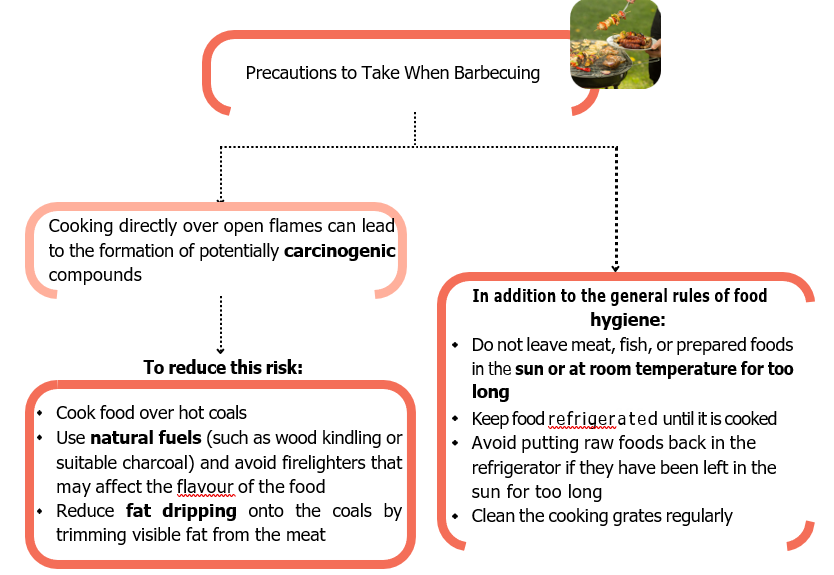
With the arrival of warmer weather, barbecues are making their way back into your gardens. However, cooking meat on a barbecue requires a certain amount of care. Here are a few tips to help you make the most of these moments :
Conclusion

Taking care of your health starts in the kitchen. A few simple actions can make all the difference in reducing the risk of food contamination. By adopting these good habits in your daily routine, you protect both your health and that of your loved ones
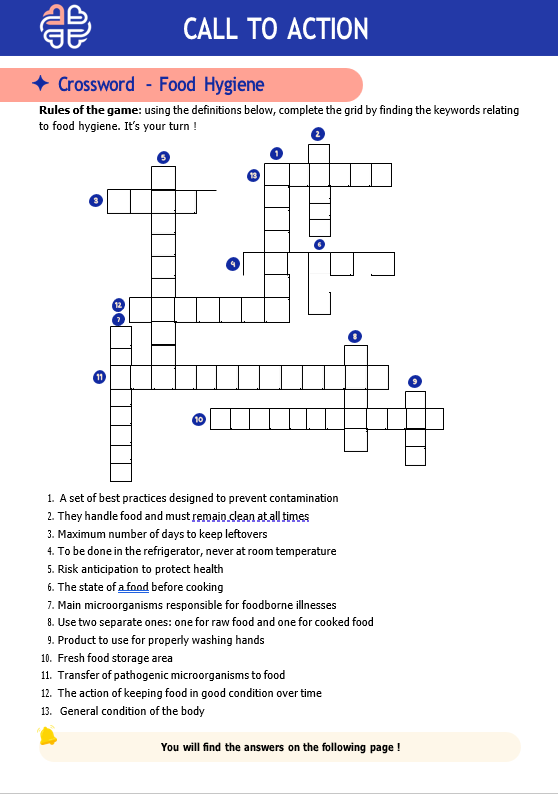
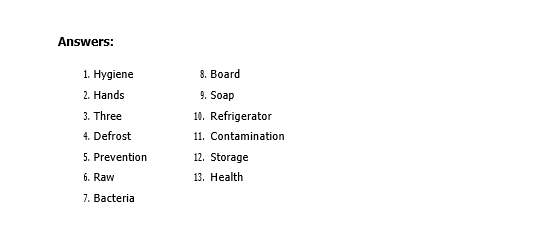
Crossword – Food Hygiene
-
The essentials of food hygieneinthe kitchen
pdf – 2 MB