


World Food Day: why eating well at school matters
Following World Food Day on 16 October, many countries are introducing legislation to ensure more balanced, better-quality meals in school canteens. School lunches are often the main meal of the day and a chance for growing children to enjoy a meal suited to their needs, and to learn healthy eating habits at the same time!
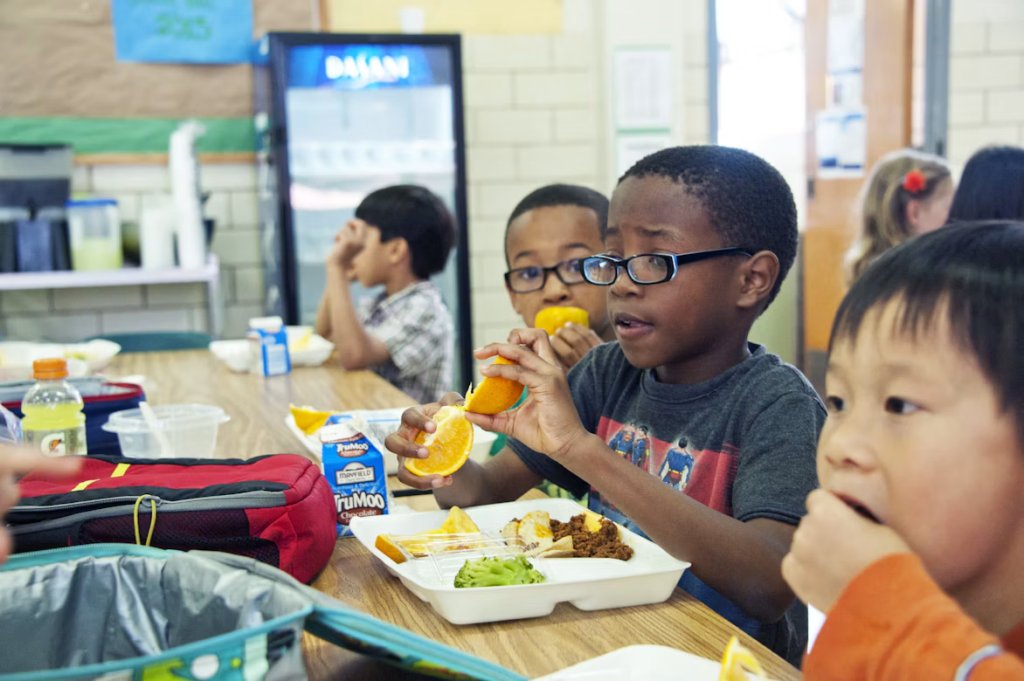
According to World Food Programme statistics, at least 466 million children worldwide eat at school, a figure that has risen by 20% over the past five years. This is partly thanks to organisations such as the School Meals Coalition, a multinational organisation that aims to ensure that, by 2030, every child can have a hot, healthy and balanced meal during the school day. The goal is to promote access to a balanced diet for young people, so that they can grow up healthy and avoid adding to obesity rates among children and teenagers.
The World Health Organization (WHO) stresses how urgent this action is: in 2025, around 1 in 10 school-age children and adolescents – 188 million young people – were living with obesity worldwide, outnumbering underweight children for the first time. In response, WHO has called on schools to take a comprehensive approach to ensure that the food and drinks they offer are healthy and nutritious, pointing out that school nutrition is key to preventing disease and ensuring better health in adulthood.
Examples from around the world
In recent years, many countries have introduced legislation to promote more balanced school meals and to move away from ultra-processed products and foods high in fat, salt or sugar. In some countries, such as the United Kingdom, the campaign has been spearheaded by a number of public figures, including chef Jamie Oliver, who has made it one of his key causes for more than 20 years. In September 2026, legislation was passed to overhaul the composition of school menus and include more fresh produce and balanced meals in response to calls from children, parents and teachers alike. In Spain, a decree that came into force in spring 2026 sets criteria and quotas to promote fresh produce and introduces nutritional caps per portion, in a country where 15.9% of 6- to 9-year-olds are living with obesity.
In Latin America, where figures show that nearly a third of children are obese or overweight, several national initiatives aim to reduce industrially processed meals and access to sugary drinks in schools, across countries such as Brazil, Mexico and Colombia. These measures are still at the planning stage, in a region of the world where more children benefit from school meals than anywhere else: over 80 million of them in 2026. National and multinational initiatives, such as those of the RAES (Sustainable School Feeding Network), are therefore essential to promoting access to healthier school meals.
Unfortunately, momentum can sometimes be hard to maintain because of governmental, logistical or financial challenges. This has recently been the case in Ireland and Belgium, where plans for hot school meals have been scrapped or changed.
Why lunch matters
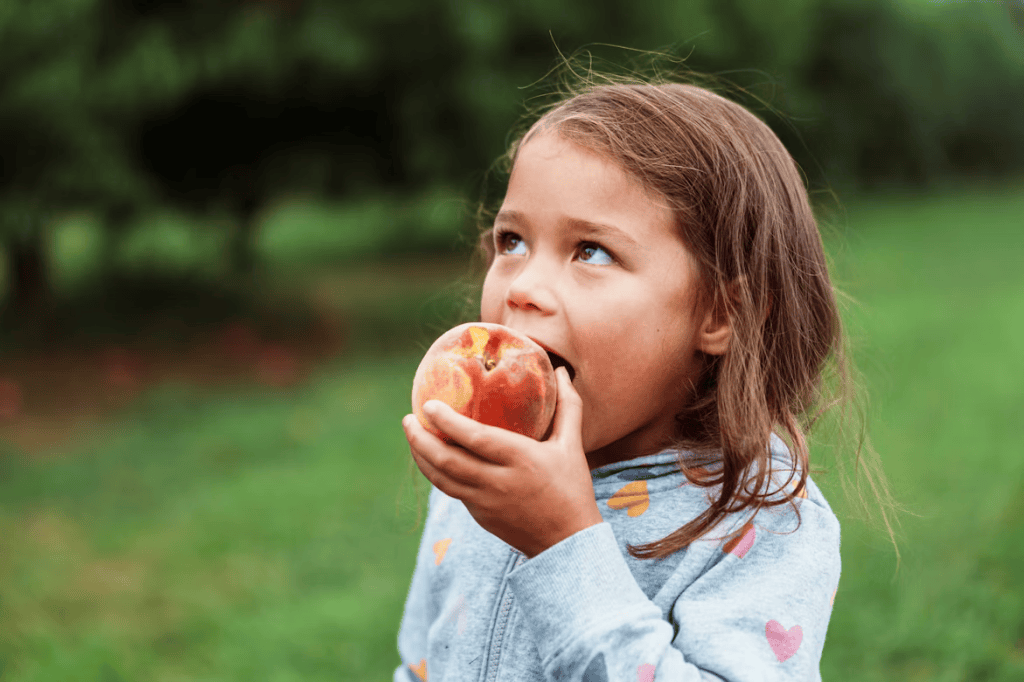
A real break in the middle of the day, this meal is essential for children and adults alike, as Juliana Cohen, professor of nutrition at Harvard, points out. It is about nourishing both body and brain so that children can learn in the best possible conditions. Beyond the issue of obesity and being overweight, both physical and mental health depend on this midday meal.
Healthy eating, physical activity and mental wellbeing
At school as at home, healthy eating, regular physical activity and mental wellbeing are the cornerstones of preventing obesity and building lasting habits. It is precisely to support these goals and help families that BNP Paribas Cardif is committed to children’s health, through its prevention programmes and the resources shared on this platform.