


Seasonal eating: spring is on the menu
After the long winter months, the return of warmer days brings budding trees and the shift to daylight saving time. It’s a season that lift both the mood and the palate. At the greengrocer’s, a sense of renewal is also in the air, with the arrival of spring fruits and vegetables. Discover a few tips to make the most of seasonal products.
Fresh peas
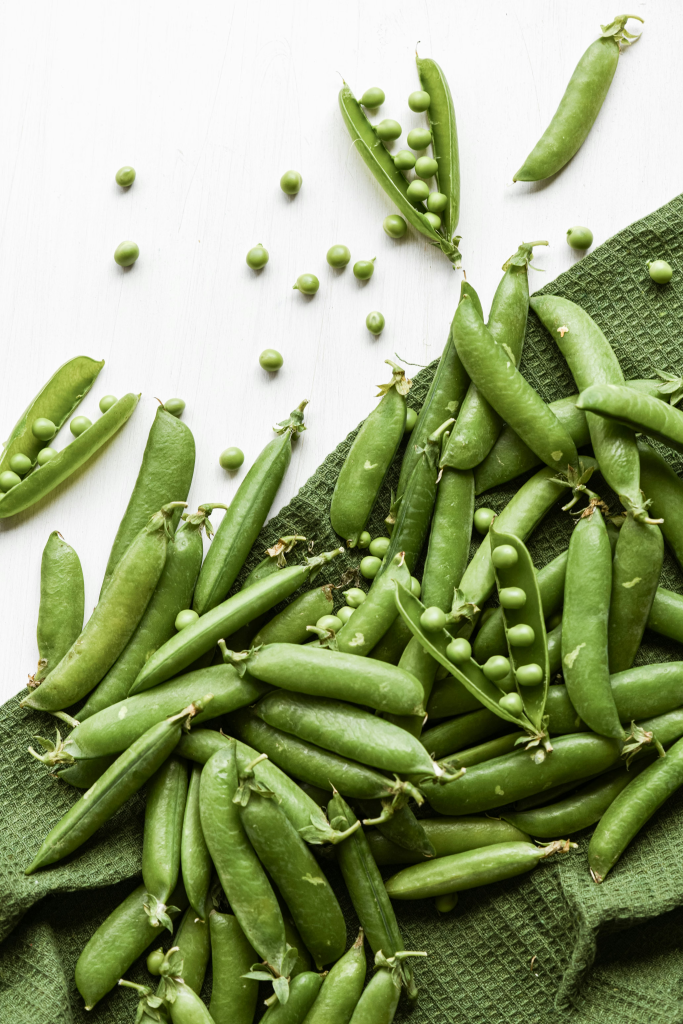
They are the first to arrive on markets and in stores, a sign that the good weather is finally on its way. From mid-March until summer, they bring their bright colour and delicately sweet flavour to our plates. While France remains the main European producer, peas are very popular in many countries. In Finland, for example, they are eaten raw and plain, popped out of the pod as a delicious and healthy snack. Don’t hesitate to turn the chore of shelling into a family game, to teach children to appreciate the origin and preparation of this much-loved vegetable.
Serving ideas
Once shelled, peas are delicious simply boiled or steamed. You can also whizz them up into a soup, to be served hot or cold, with a few mint leaves for added freshness.
A great anti-waste tip is keep the pods, which can also be prepared as soup, with a longer cooking time once the fibrous parts have been removed. You can also use them to make a vegetable broth, or allow them to macerate in vegetable oil to obtain a fragrant liquid to use in your salad dressings.
Nutritional advantages
Rich in fibre (5,1g/100g), peas also contain a good amount of protein (5,2g/100g). The green spheres are also interesting for their vitamins C (40mg/100g) and K (24,8microg/100g), as well as those of the B group, and their mineral content, including iron, magnesium, copper, phosphorus, etc.
💡Anti‑waste tip: Keep the stalks—they can also be turned into a soup after a long simmer once the fibrous parts are removed. You can likewise set them aside to make a vegetable broth, or let them macerate in a vegetable oil to create a fragrant elixir that works beautifully in dressings.
New potatoes
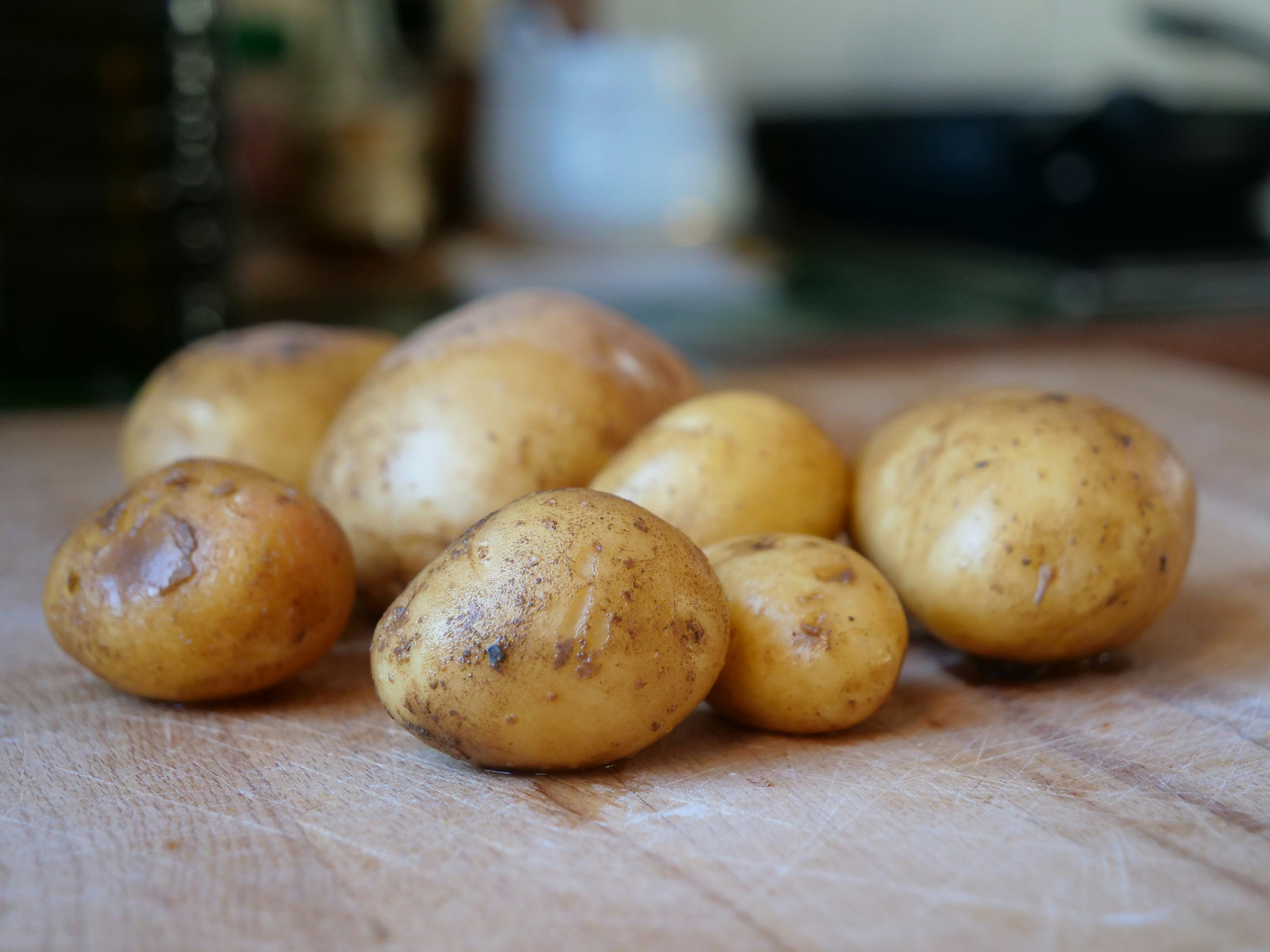
New potatoes, which contrast with the heartier staples of winter, are known for their skin, firm texture and delicate nutty flavor. Some varieties carry protected designations of origin, including those from the Ile de Ré and Noirmoutier in France, Jersey Royals in the United Kingdom, and southern Italy. While these varieties tend to be more expensive, more affordable alternative can be found on the markets. Before preparing them, wash them with water, using a brush if necessary to remove soil residues from the skin.
Serving ideas
Their delicate flavour is enhanced by simple boiling or steaming, to accompany meat or fish. They are also delicious in salads, with a light dressing or a sauce made from yoghurt or fromage blanc, for a lower fat content.
Nutritional advantages
Potatoes offer complex carbohydrates (15,8g/100g), which are essential to provide us with energy on a daily basis. In addition to fibre, they also contain vitamin C (25mg/100g) and potassium (367mg/100g).
For both peas and potatoes, steaming or minimal cooking is preferable to retain nutrients and reduce the glycemic index.
Rhubarb
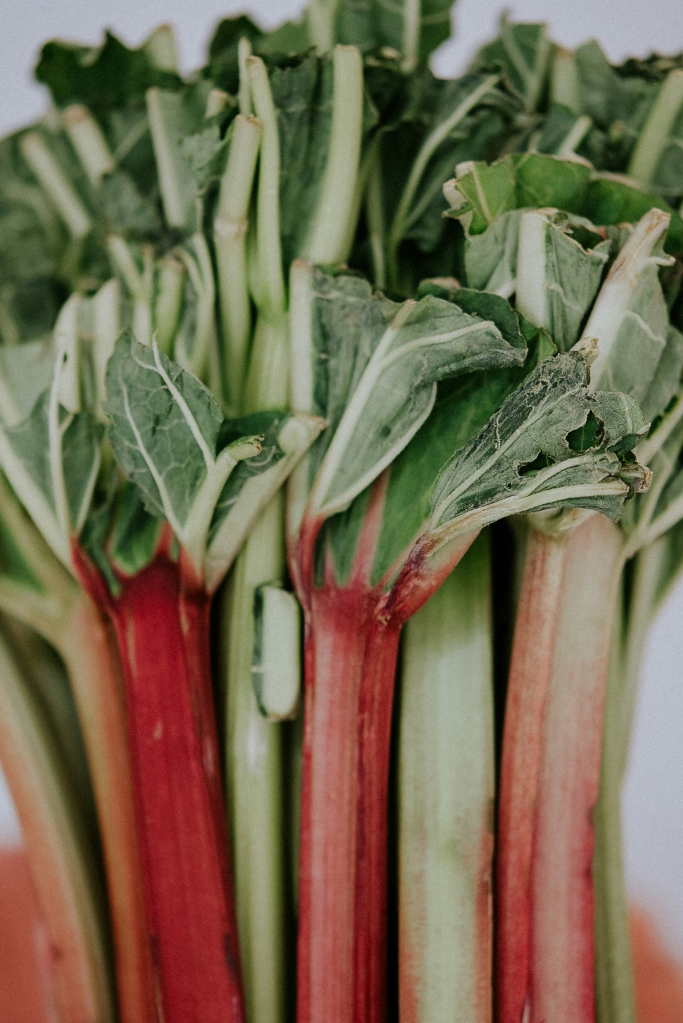
Its bright pink stems bring welcome colour to market stalls. Rhubarb first arrived in Europe in the 16th Century: first cultivated in Asia, the plant is now grown in gardens or greenhouses across the continent. Be careful: only the stem is good for consumption, as the leaves contain oxalic acid and are toxic to humans and animals. After careful washing, the stems can be peeled with a knife or peeler to remove the outer membrane and thicker fibres.
Serving ideas

The tangy flavour of rhubarb lends itself perfectly to a cooked preparation, in a pie or tart or as a compote, with the addition of a few orange zests to enhance its unique taste, avoiding the temptation to add too much sugar. It can also be eaten in savory preparations and served raw: diced rhubarb will provide crunch and acidity to your salads. The more adventurous can even try a version of kimchi, fermenting slices of rhubarb in a jar with salt and spices
Nutritional advantages
The plant’s fibrous texture displays its high fibre content(1,8g/100g), but rhubarb is also very rich in vitamin C (6,4 mg/100g), calcium (140mg/100g) and potassium (198 mg/100g). It is also a very low-calorie food, useful for those looking for lighter options.
The adult’s nutritional needs are:
- Vitamin C: 110 mg per day
- Protein: 0.83 g per kilogram of body weight per da
Source : ciqual.anses.fr